A long layered bob sits between a dramatic short cut and the length you may be ready to leave behind. The appeal is flexibility: you can discuss movement, face framing, a stronger outline, or an easier transition from a shorter style without requesting the same cut as everyone else.
The word layered is not a complete haircut brief. A few quiet layers near the ends look different from a shaggy shape with a prominent fringe. Your normal part, texture, density, styling habits, and preferred length all belong in the conversation.
These 17 long layered bob haircuts offer clear differences to compare with a stylist. They are consultation references, not instructions to cut your hair at home or guarantees that a photograph will behave identically on another person.
1. Collarbone Bob With Subtle Internal Layers
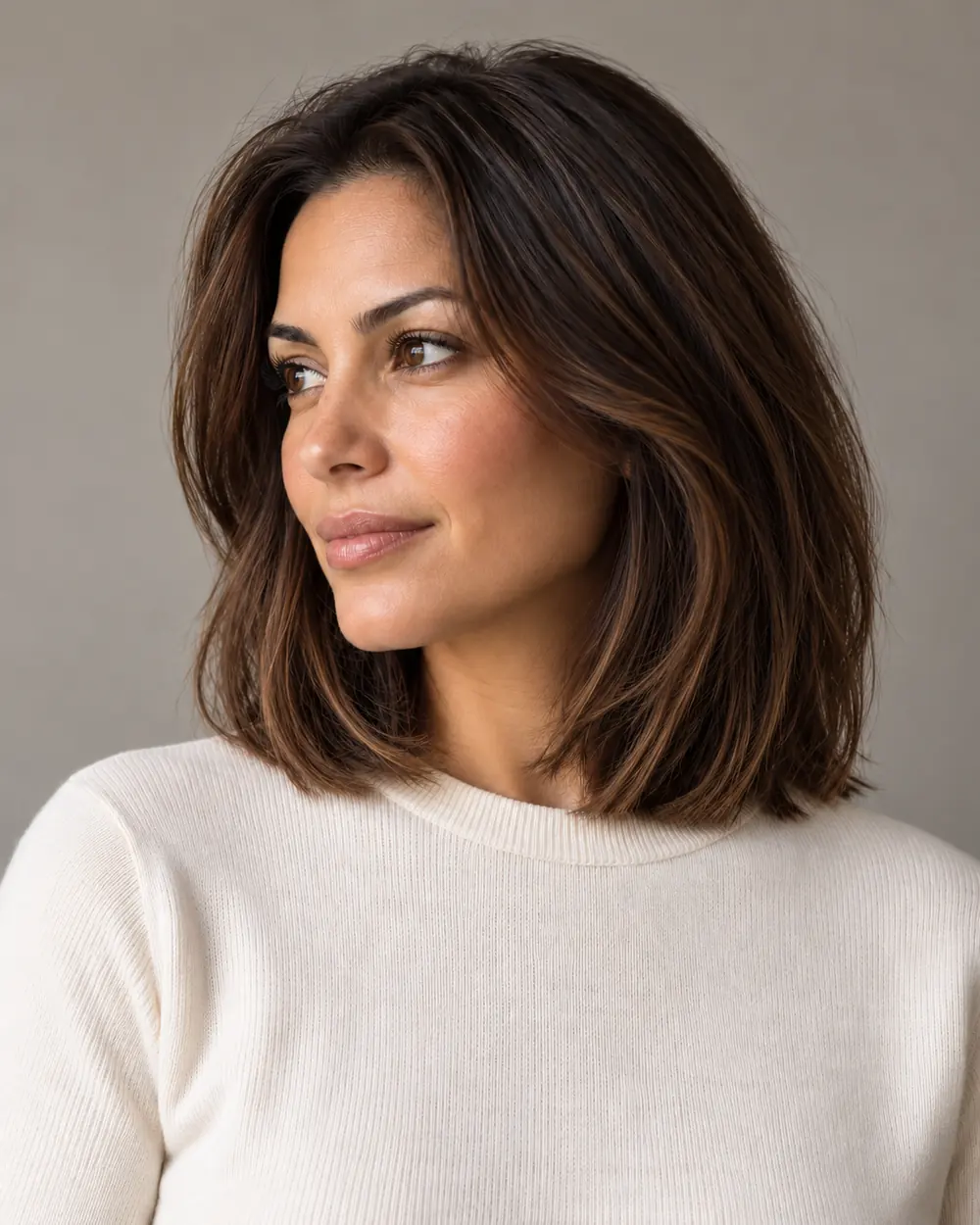
Keep the outside shape relatively clean and ask about movement within the haircut rather than a visibly choppy outline. A collarbone reference gives you a useful length to discuss around shoulders, coats, and everyday styling.
Explain whether the pictured movement comes from your natural texture or from a blowout you would need to recreate. Ask to see the cut’s likely everyday finish instead of choosing only the styled photograph.
2. Fine-Hair Lob With a Fuller Perimeter
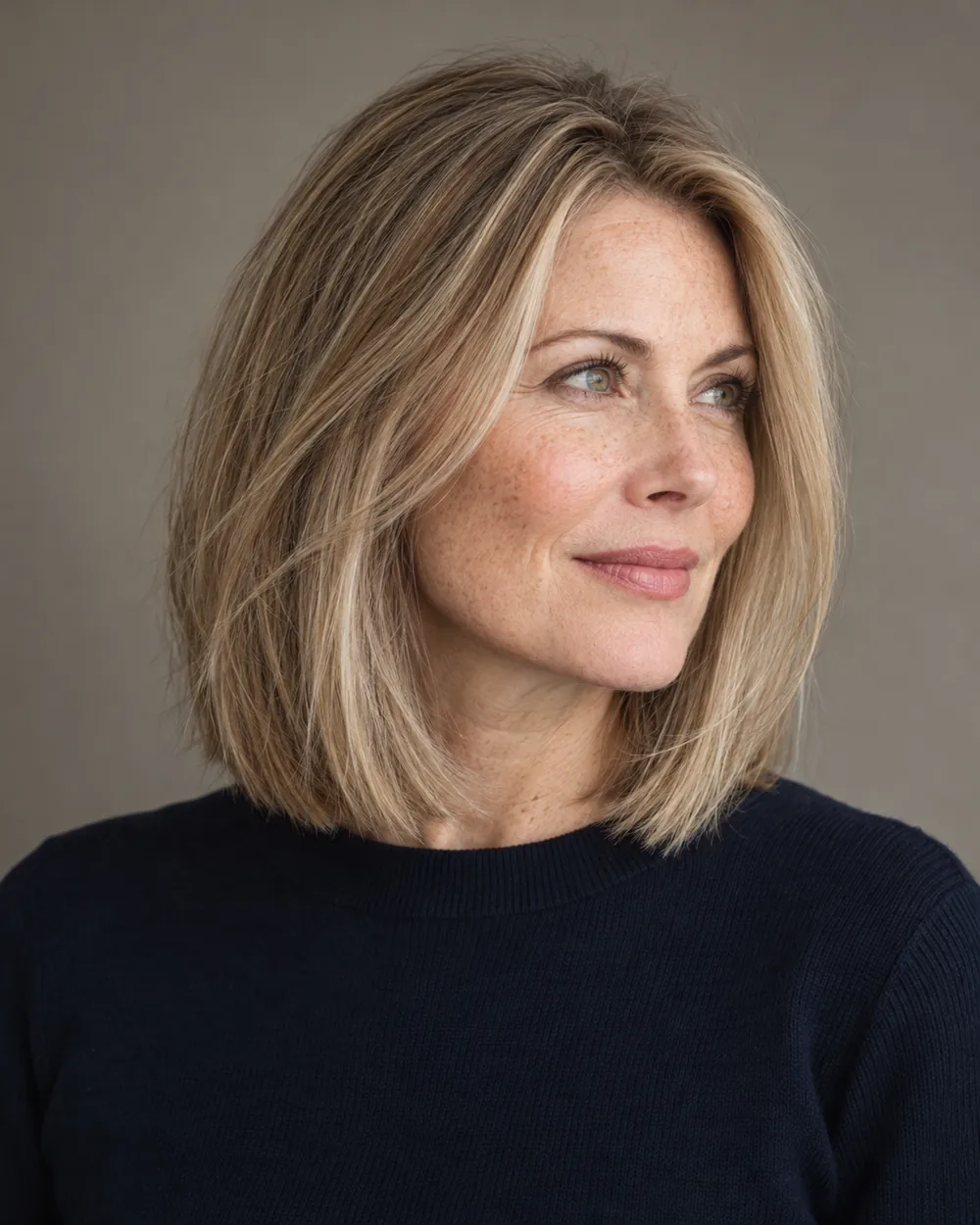
If you want the ends to look cohesive, make that part of the brief before asking for layers everywhere. Show references with a clear lower outline and restrained movement.
Do not assume that more layers will automatically create the appearance you want. Ask your stylist which sections contribute to the shape and how removing length there might affect it. Color, lighting, and styling can also influence the fullness you see in a picture.
3. Thick-Hair Bob With Controlled Interior Movement
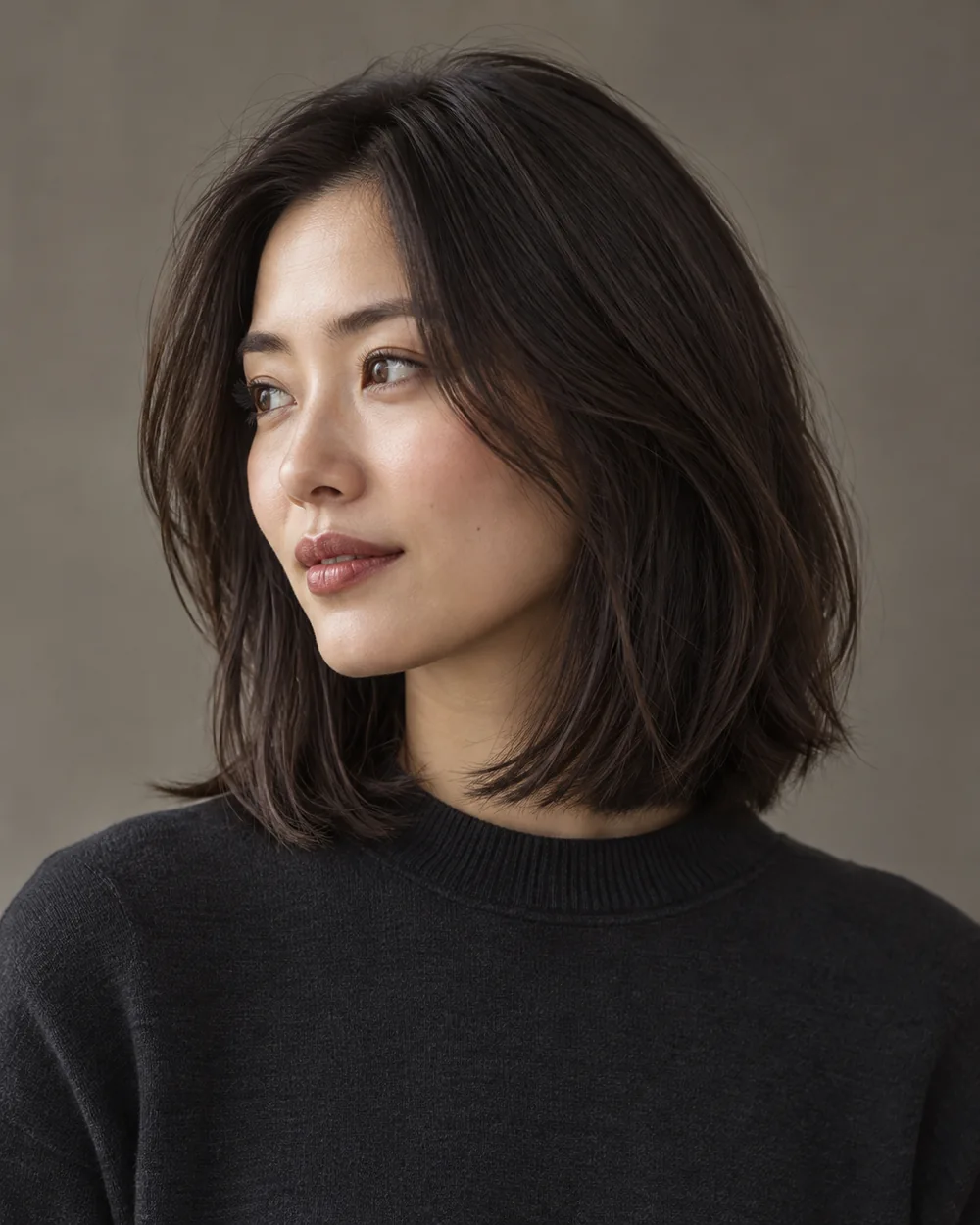
Choose a reference where the overall outline remains deliberate while the inside has room to move. Discuss where your own hair feels heavy, rather than requesting that every end be heavily thinned.
Tell the stylist how the haircut usually behaves after washing and between appointments. A shape that looks light after a salon finish may behave differently in your normal routine. Bring photographs of your own hair on an ordinary day.
4. Wavy Long Bob With Face-Framing Layers
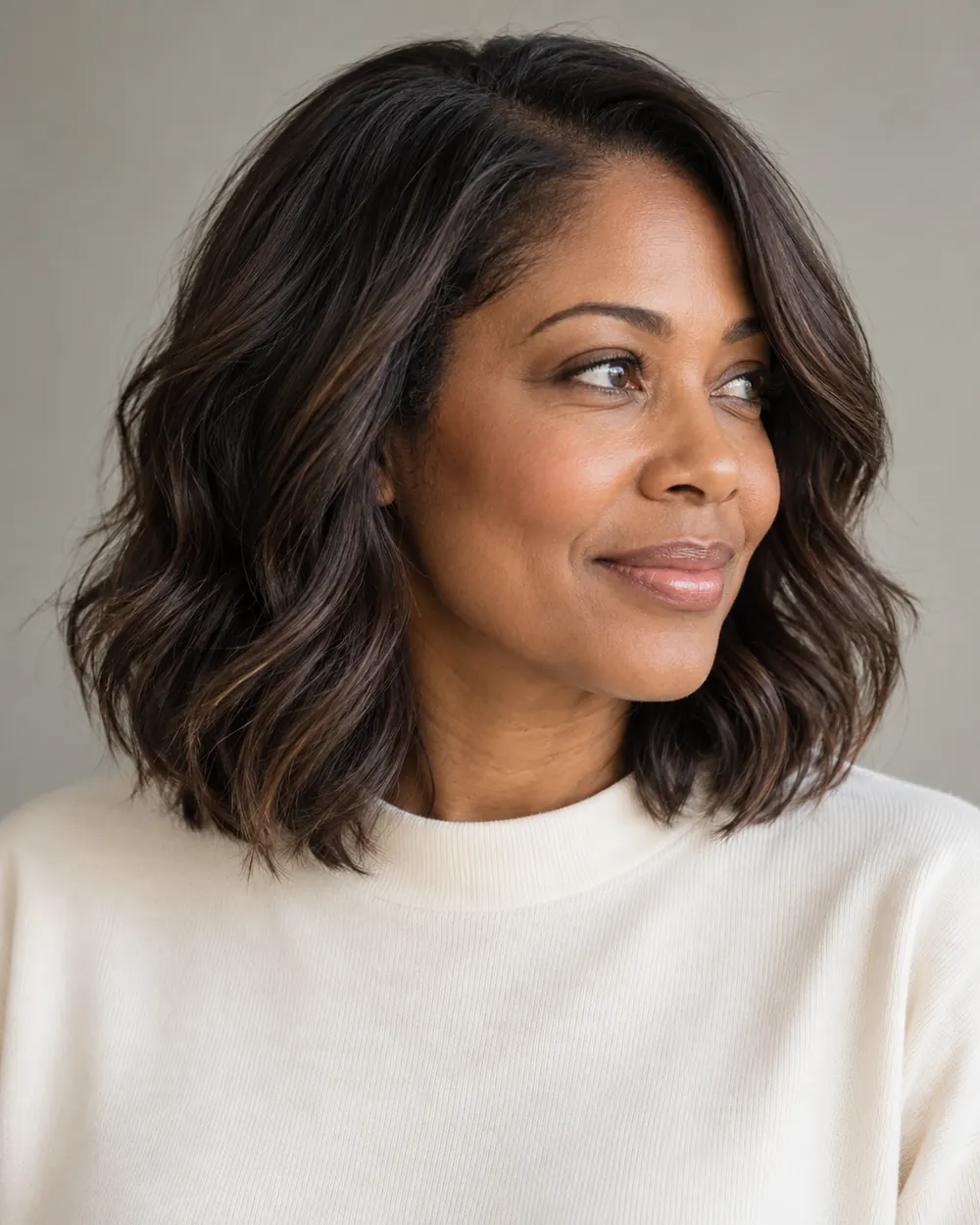
Let the front pieces relate to the way your waves sit around the face. Decide where you want the shortest visible piece and whether it needs to tuck behind your ear.
Ask how the shape will look with your natural part and texture. A photograph with carefully styled waves can communicate the mood, but it may not show the cut’s unstylized behavior. Make the level of daily styling you want explicit.
5. Curly Lob With a Customized Rounded Shape
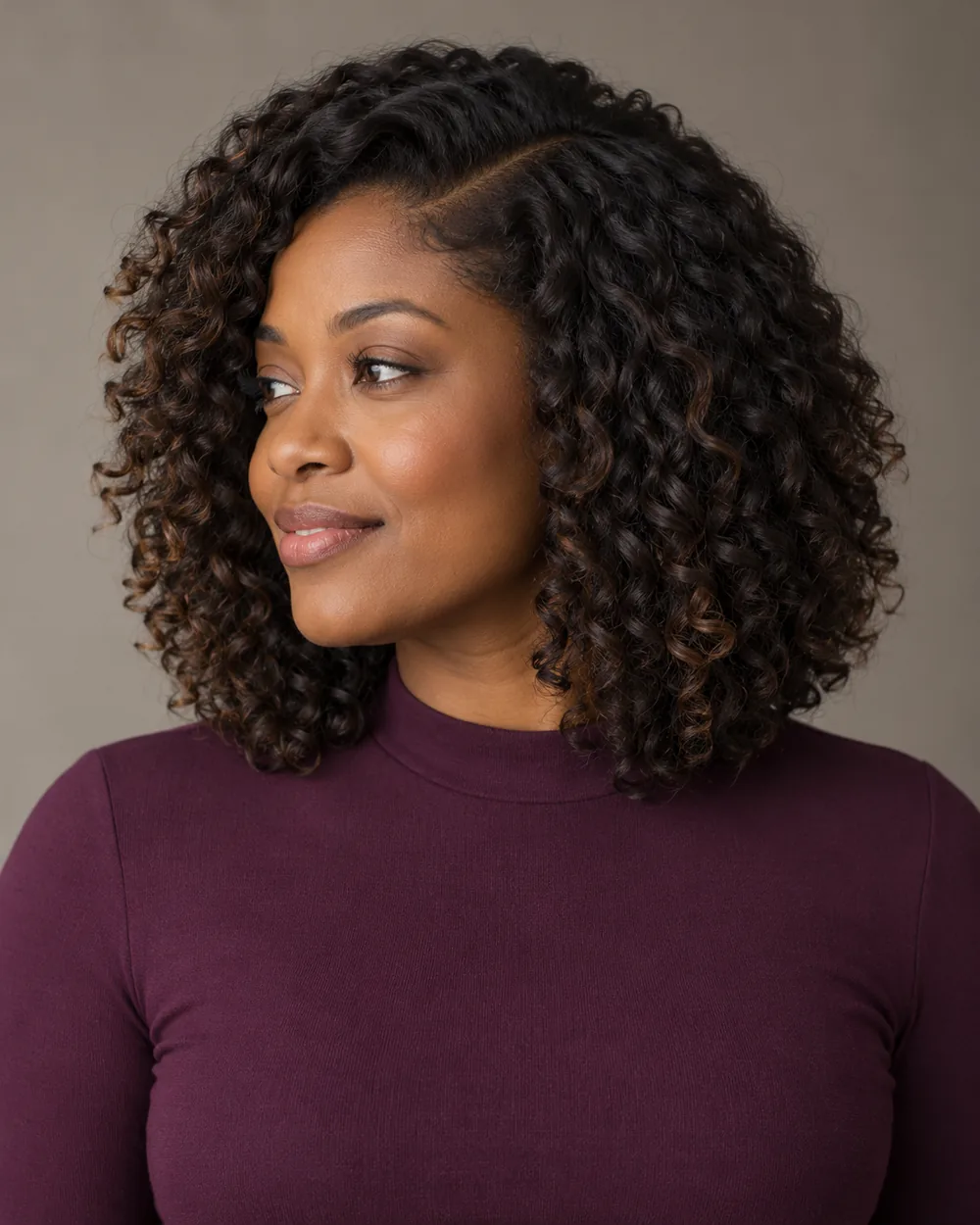
For curls, bring references that resemble the texture and outline you want to wear. Discuss the finished dry length rather than choosing solely from a stretched or straightened image.
Explain how you usually style, dry, and part your curls. Your stylist can assess the relationship between shape, layering, and your hair’s behavior. A rounded silhouette is a design direction, not a reason to give every curl the same length or treatment.
6. Long Bob With Curtain Bangs
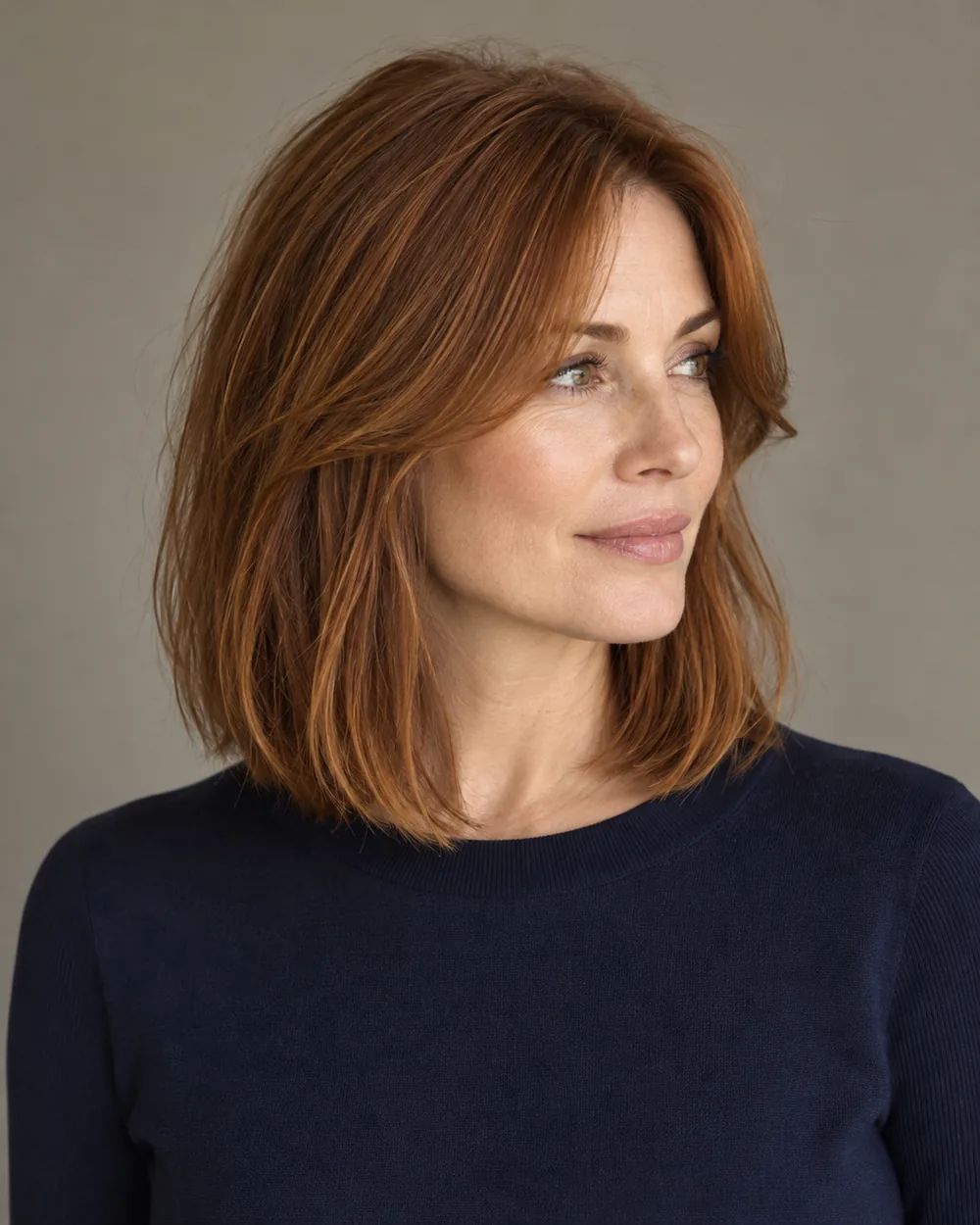
Curtain bangs introduce a distinct front shape while the rest of the bob stays longer. Choose how far the front pieces should open and how much face framing you want when the hair is tied back.
Ask about fringe maintenance and styling separately from the rest of the cut. The bangs may need attention on a different schedule. If you are unsure, discuss a longer starting point rather than assuming the shortest reference is necessary.
7. Side-Parted Layered Lob
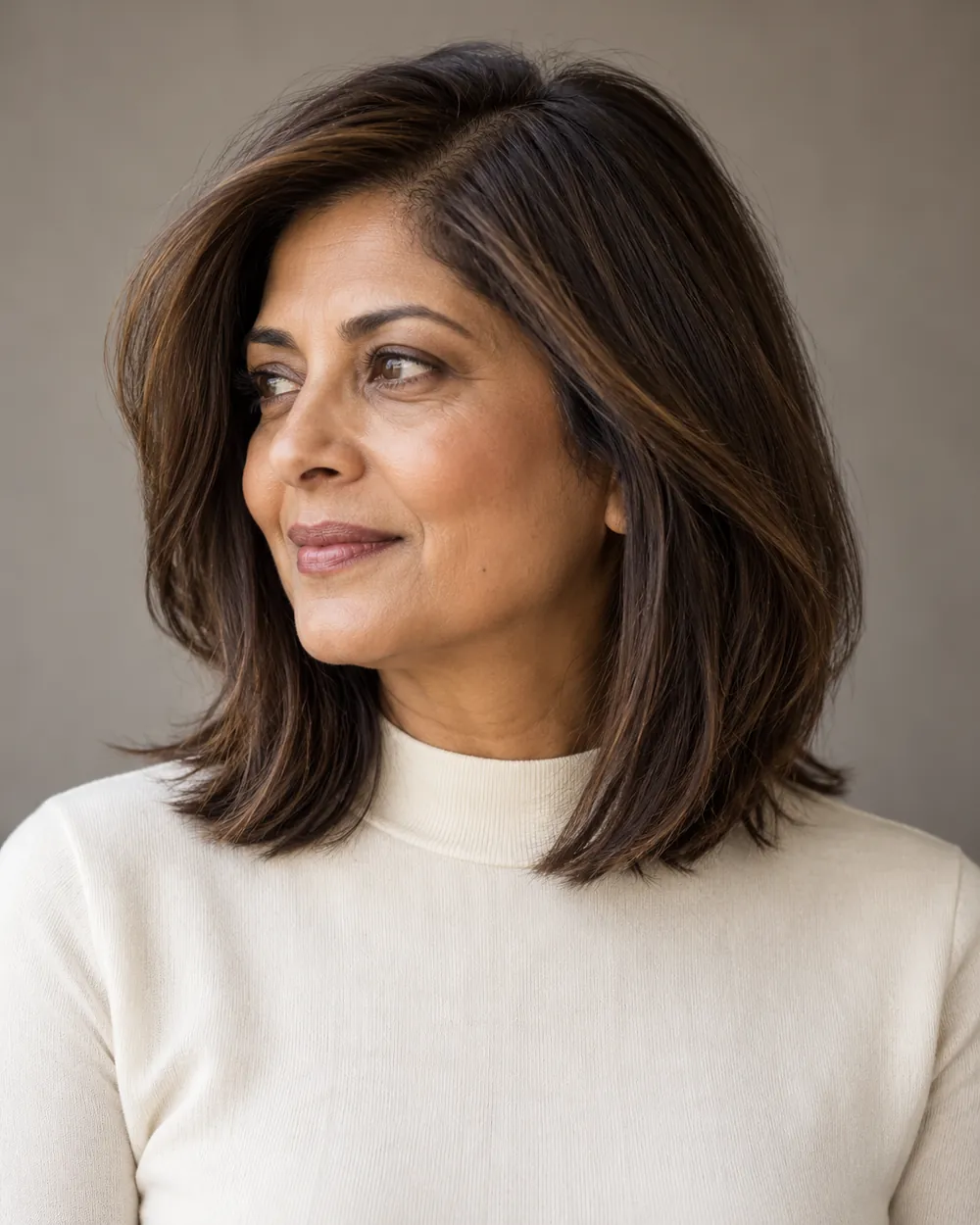
A side part changes where the front length and movement sit. Show your normal parting before discussing the layers, particularly if you do not want to change how you wear your hair each morning.
You can keep the overall outline quiet and use the part for asymmetry. Ask what happens if you switch sides or wear your hair back. The style should not rely on one carefully arranged photograph to communicate the result you want.
8. Long Bob With Wispy Fringe
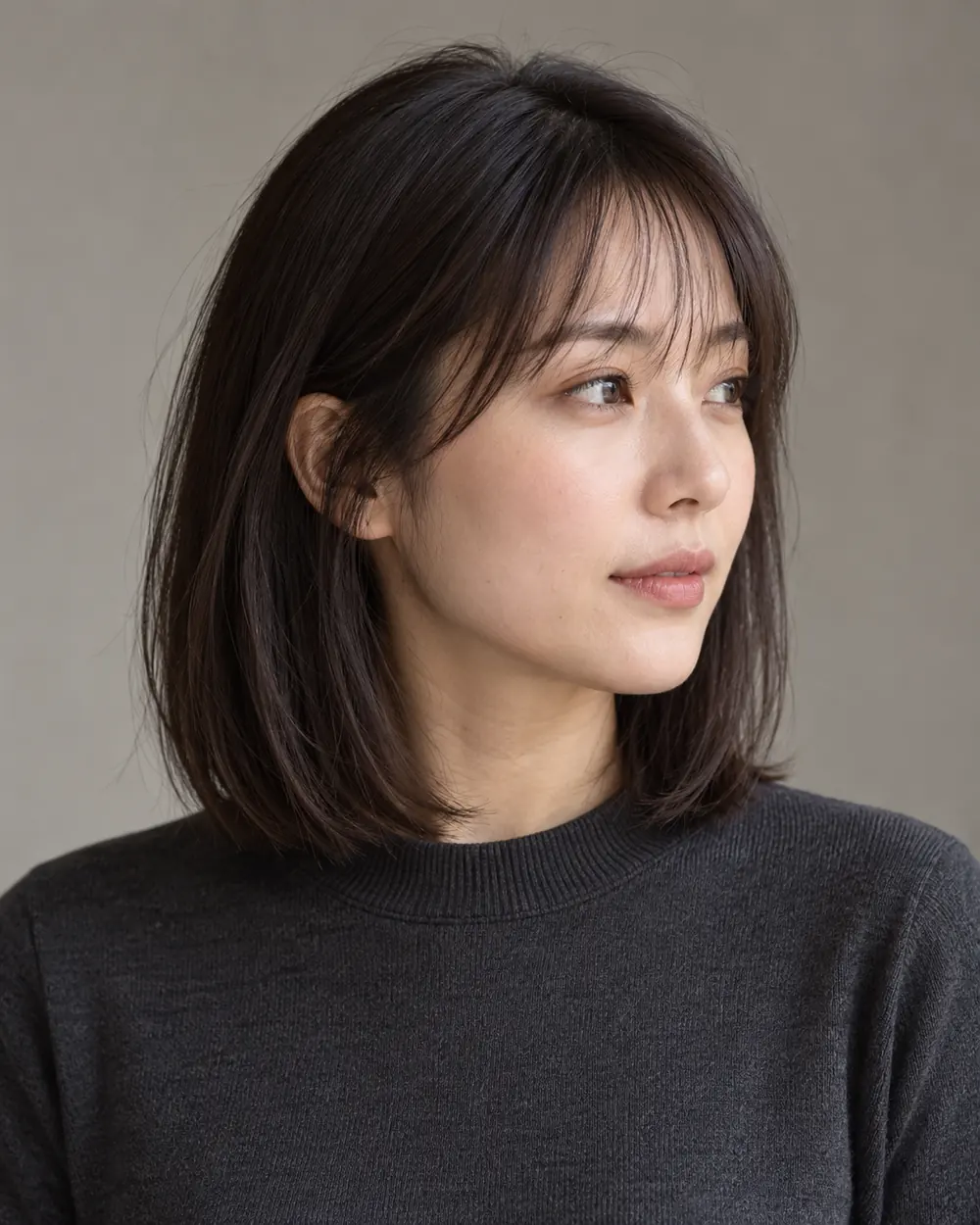
A lighter-looking fringe can provide a different mood from full curtain bangs or a solid straight fringe. Bring a picture showing how much forehead remains visible and the length you prefer near the eyes.
Discuss your hairline and normal styling habits with the stylist. Wispy is a visual description, not a universal cutting formula. If you dislike daily fringe styling, make that clear before committing to a reference that depends on it.
9. Soft Angled Lob With a Longer Front
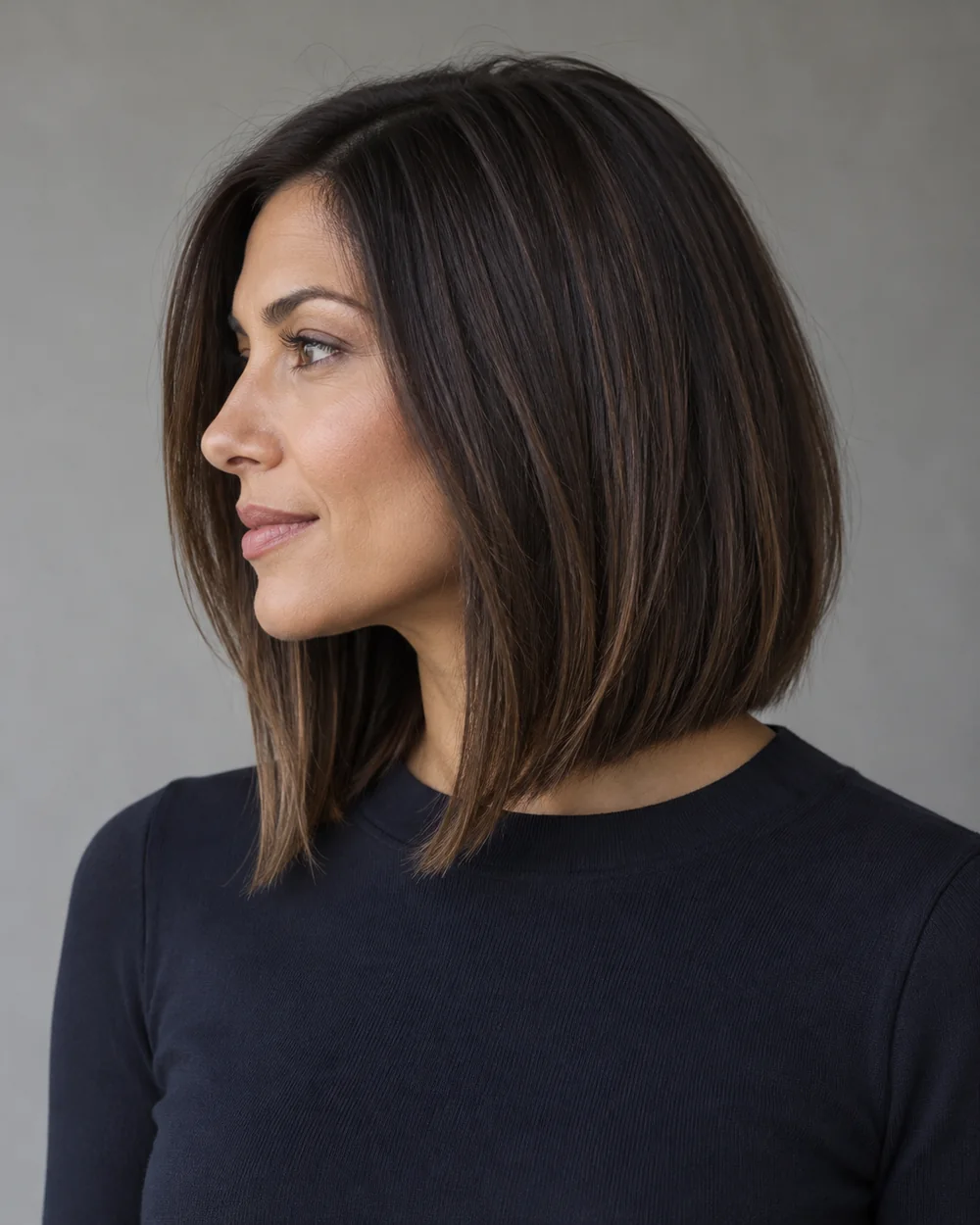
Use a gently longer front section to give the bob direction without an extreme change from back to front. A side-view reference is helpful because a front photograph may hide the actual angle.
Decide whether the longer front must still tuck behind the ear or fit into a ponytail. Ask your stylist how much difference in length is needed for the effect. You may prefer a subtle adjustment over a strongly angled outline.
10. Shag-Inspired Long Bob
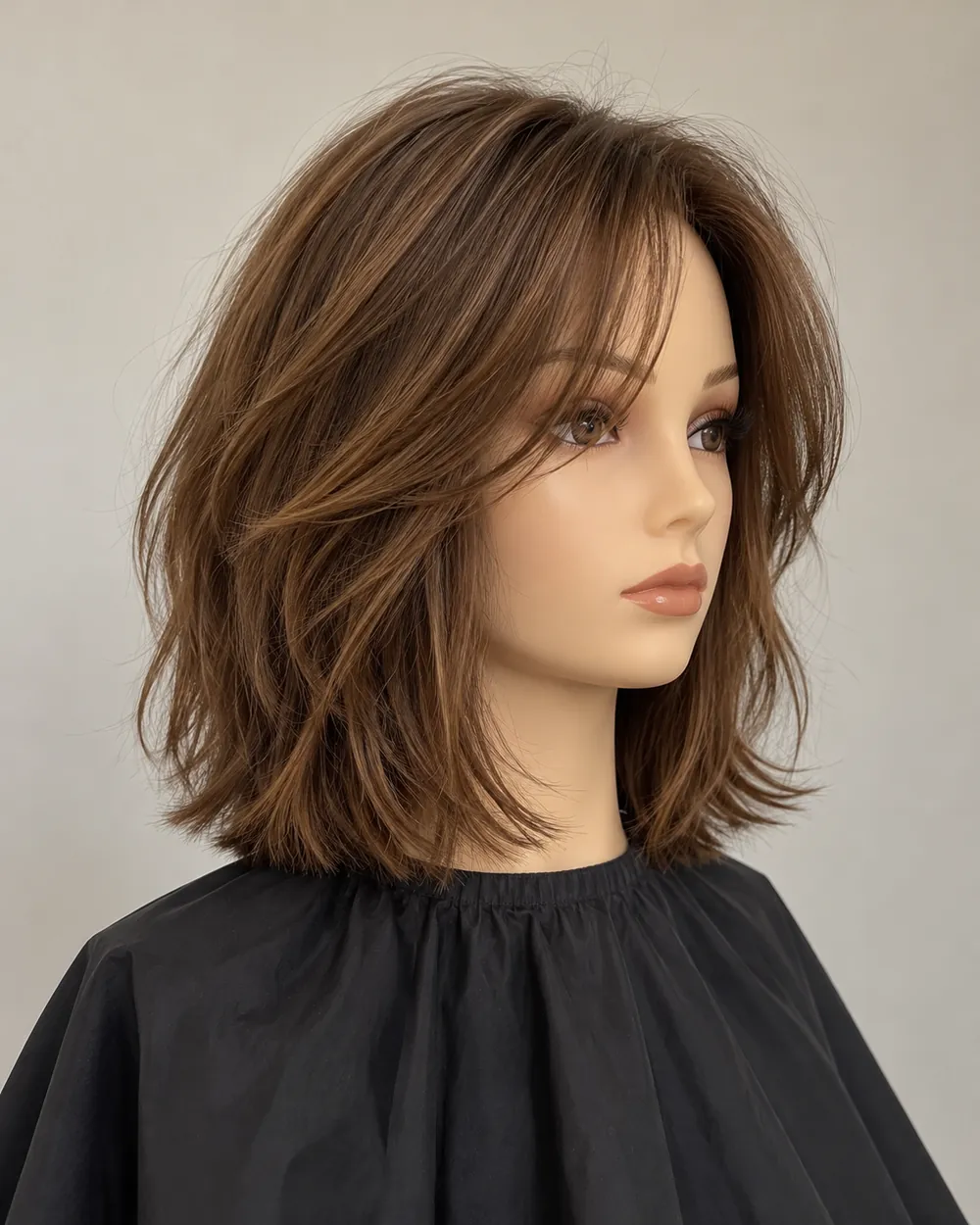
This version makes layering more visible, with a looser outline and often a stronger face-framing shape. Choose it because you like that texture, not because every layered bob is expected to look shaggy.
Bring references with your intended level of styling. A tousled professional photograph can involve products and deliberate finishing. Ask what the shape will require from your own routine and whether you want the fringe shown in the reference.
11. Minimal-Layer Bob for Air-Dried Waves
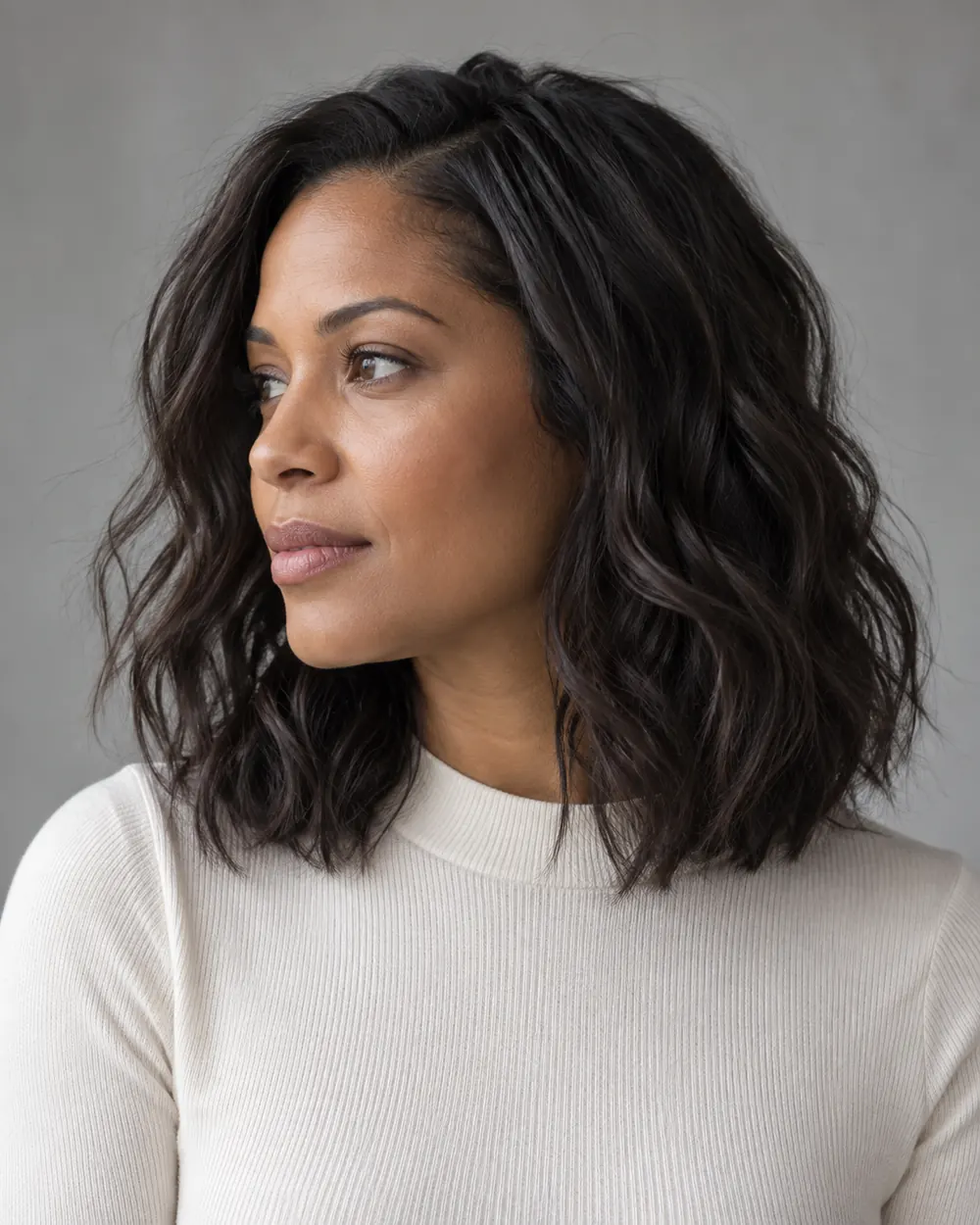
If air-drying is your usual choice, lead with that information. Choose a reference with a quieter outline and discuss how a restrained amount of layering might work with the movement you already have.
Avoid promising yourself a completely effortless result from a haircut name. Your hair, weather, products, and habits remain part of the picture. Ask the stylist to explain the likely finish with minimal styling rather than only demonstrating a polished blowout.
12. Textured Lob With Flipped Ends
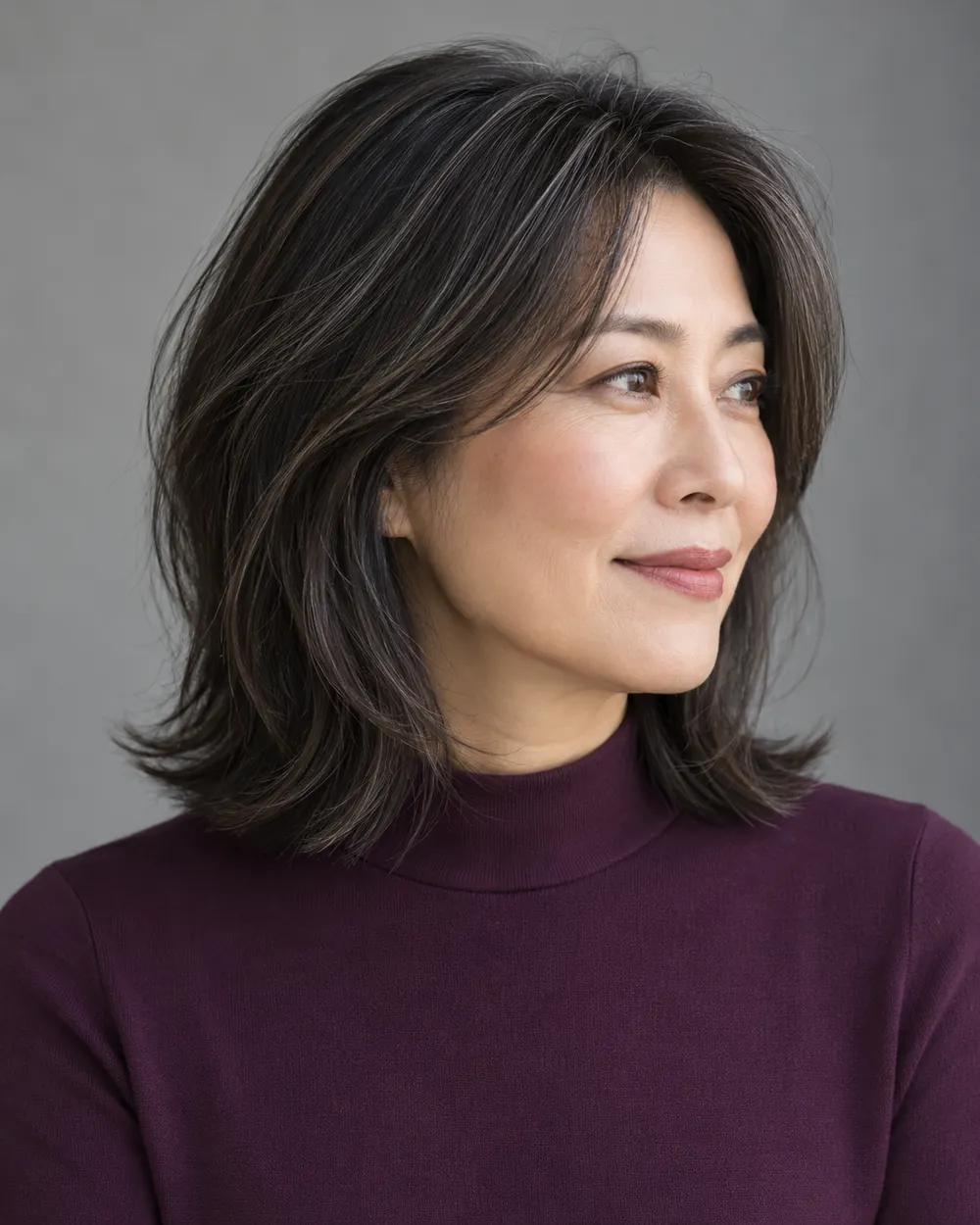
Flipped ends give a long bob a playful change in direction. Decide whether you want that as an occasional styling option or as the main appearance you expect from the haircut.
Show the stylist the amount of flip you like. A small bend feels different from a strongly sculpted outward shape. If you use heat to create the look, keep the routine realistic and ask about alternatives for days when you do less styling.
13. Shoulder-Skimming Bob With Cheekbone Framing
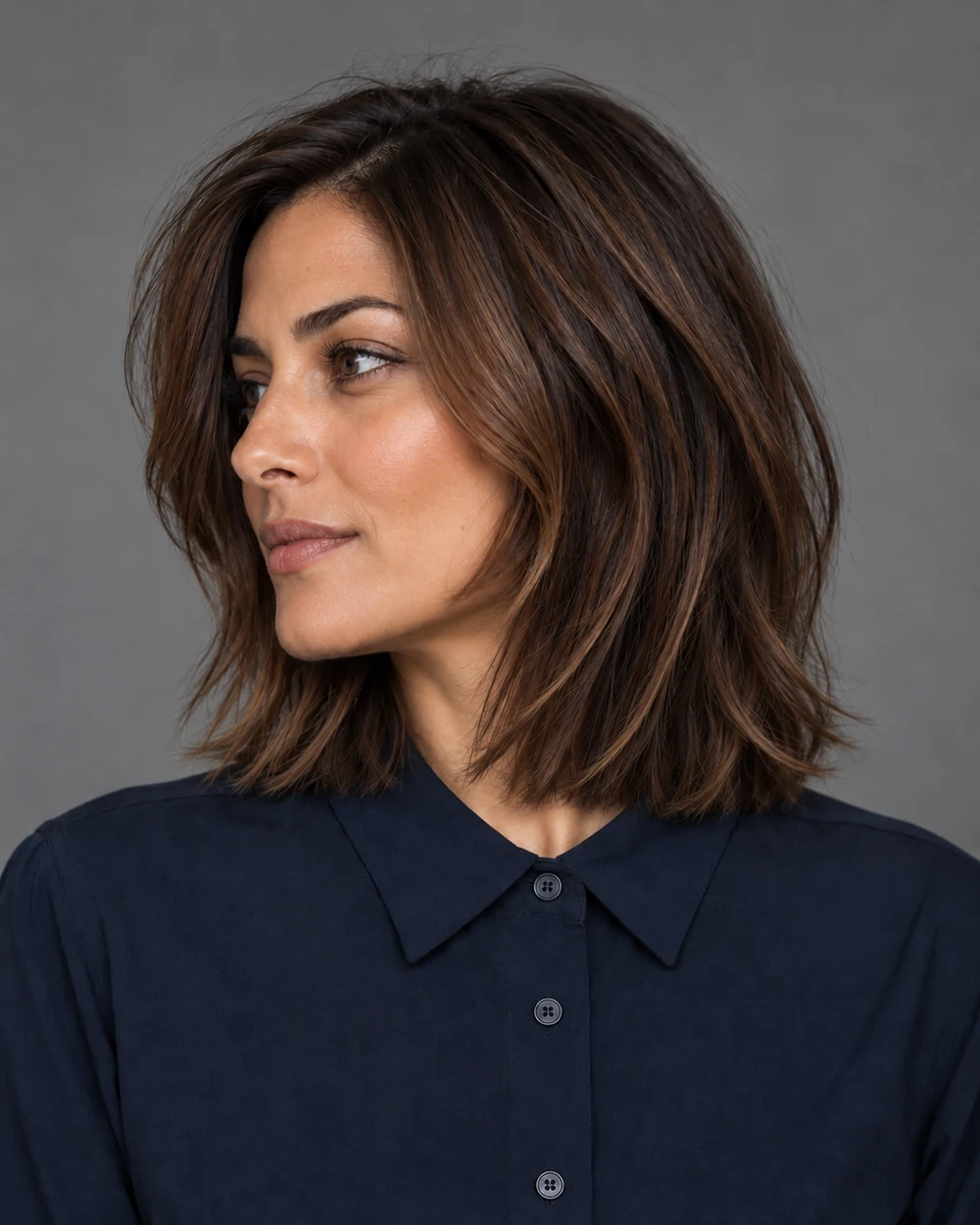
Choose a shoulder-level outline with front pieces that create a visible frame nearer the cheekbones. The relationship between those two lengths is the main feature of this reference.
Discuss whether the shorter pieces need to tuck back, sit loose, or connect with an existing fringe. A flattering photograph is not a precise map for another face. Tell the stylist which part of the outline appeals to you instead of requesting an identical facial effect.
14. Long Bob With Low-Set Layers
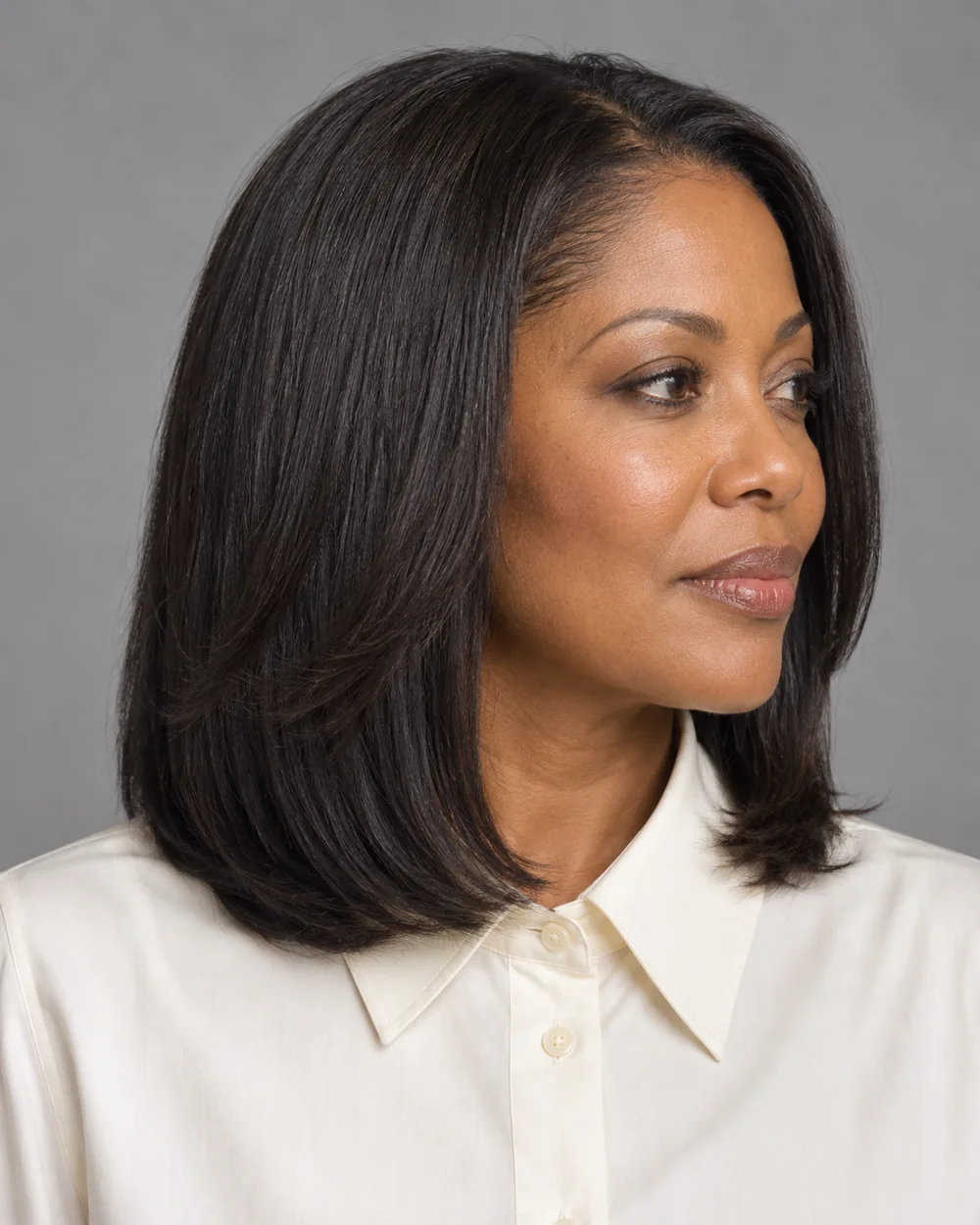
Keep most of the haircut visually together and place the strongest movement closer to the lower lengths. This can suit someone who likes a bob outline but does not want a prominent shag effect.
Ask the stylist to show where the shortest layer would sit on your own hair. Layer position is easier to understand with a clear demonstration than with a label alone. Consider how it will look tied back as well as loose.
15. A Soft French-Inspired Long Bob
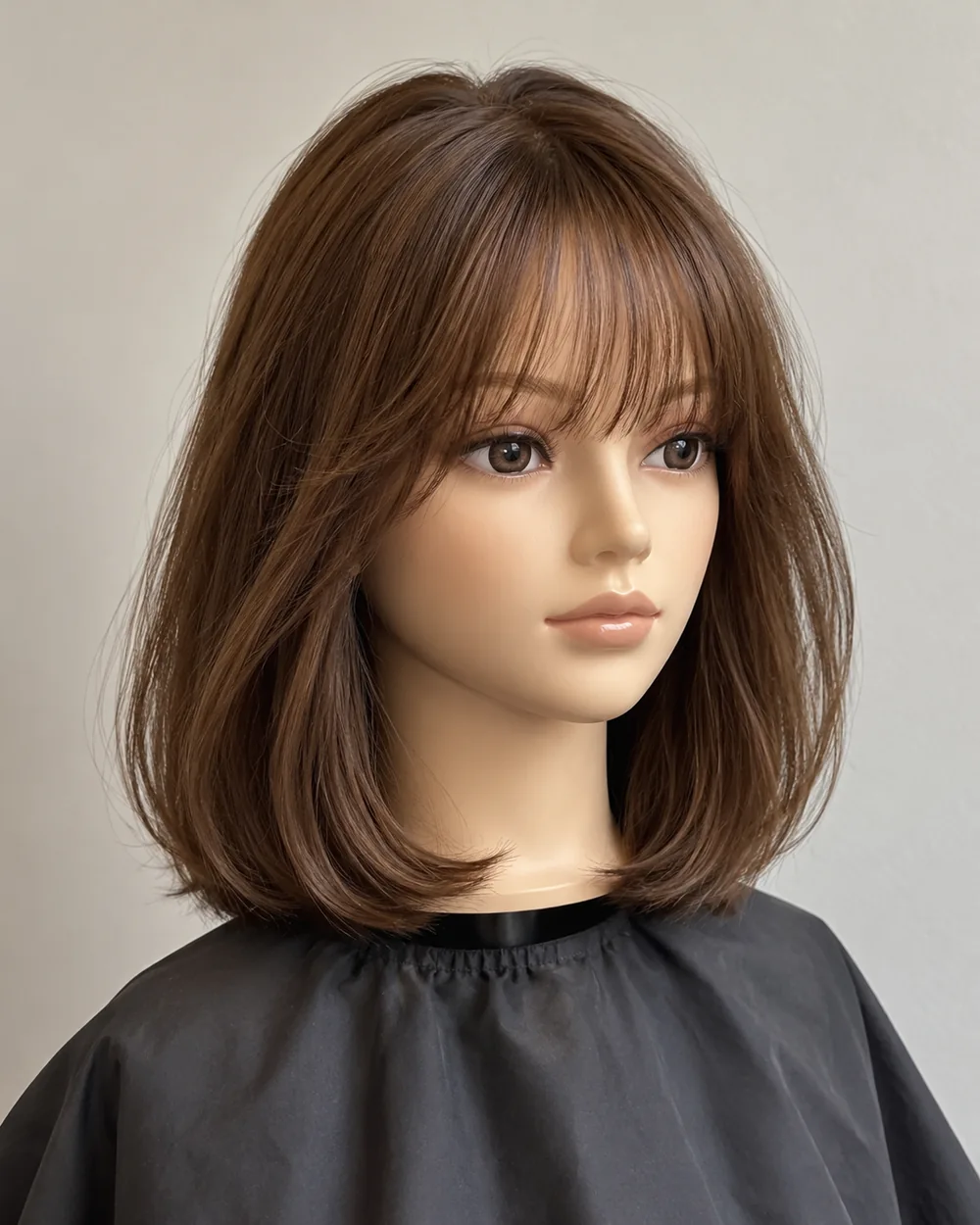
Borrow the relaxed shape or fringe detail of a French-bob reference while retaining more length. Be specific about which element you like, because a traditional shorter reference may sit much higher than you intend.
Show side and back views where possible. Decide whether the ends should tuck under, sit naturally, or have a little outward movement. The inspiration can guide a personalized cut without becoming an instruction to copy a short haircut at a different length.
16. A Long Bob for Growing Out a Shorter Cut
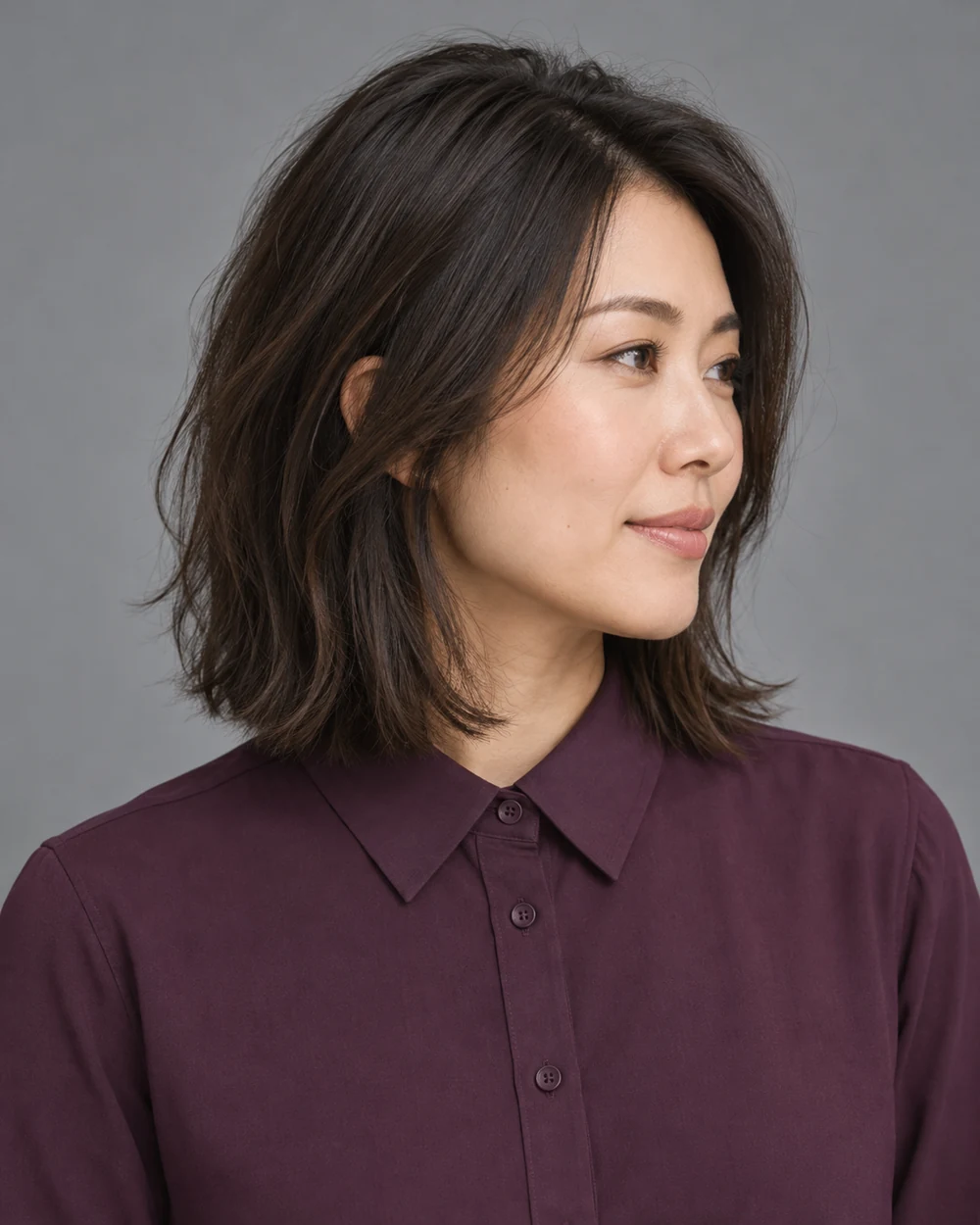
Use the appointment to discuss the transition as well as the final goal. Existing short sections may need a different plan from the longer perimeter, so a single finished reference will not answer every question.
Ask which areas can be shaped now and which may need time. You do not need to agree to a large length change simply to make the haircut uniform immediately. A staged plan can clarify what each appointment is intended to achieve.
17. A Low-Contrast Layered Lob With Brunette Dimension
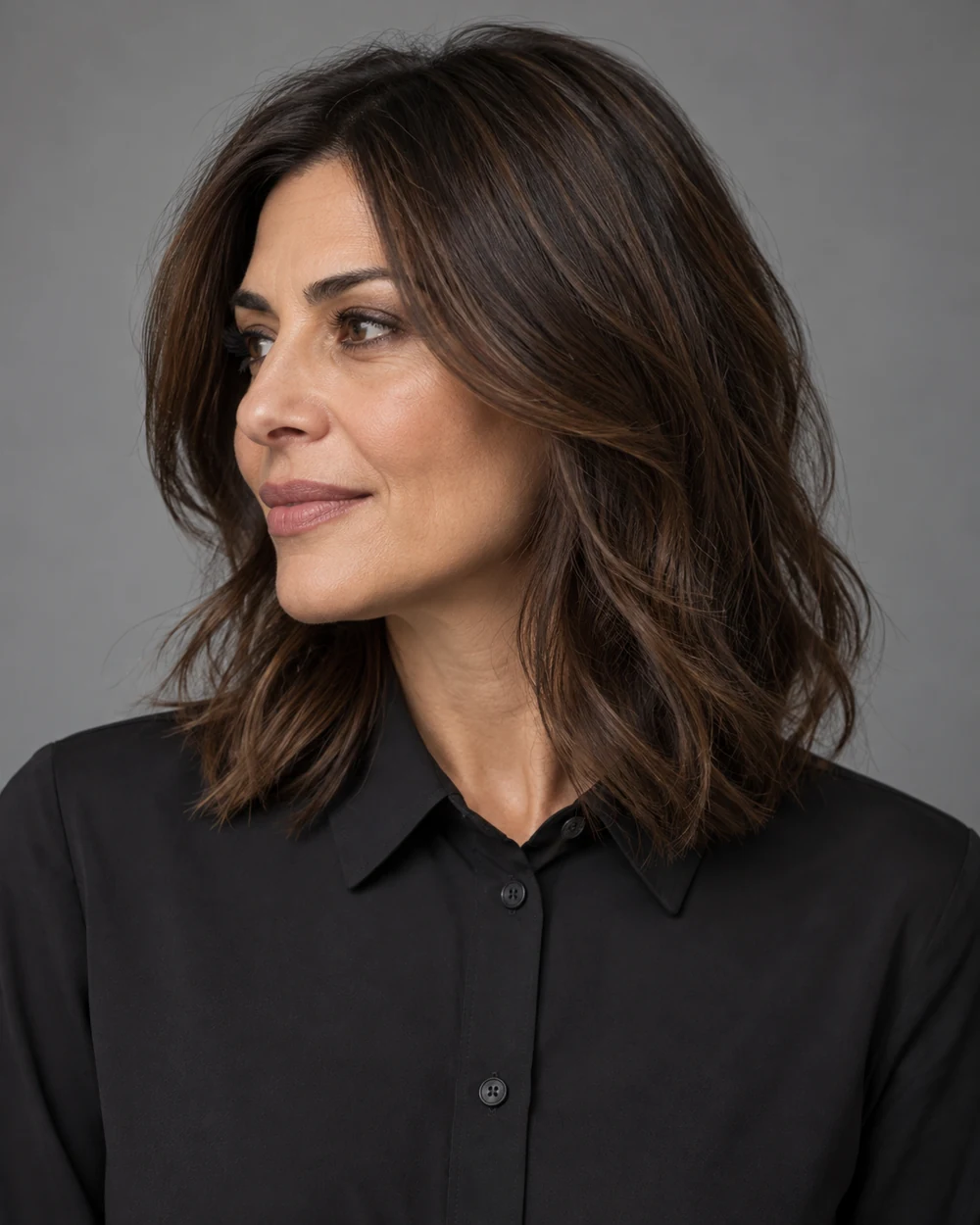
Use subtle brunette variation to show the layers without making dramatic color the focus. If you like the cut more than the highlights, tell the stylist that clearly so the two decisions remain separate.
Ask to see a similarly shaped haircut in a solid color as well. Lighting and highlights can make movement easier to photograph, but they do not define the cut itself. You should understand the outline before deciding whether a separate color service is useful.
Build a Better Haircut Brief
Choose a front, side, and back reference when possible. Write down what each one shows: the overall length, the shortest face-framing piece, the fringe, or the amount of visible texture. Also save a photograph that represents a result you do not want, such as a very choppy perimeter.
Explain how much time you want to spend styling and which tools you already use. Mention whether you need to tie your hair back, wear headwear for work, or tuck it behind your ears. These practical details can be more useful than another twenty photographs of the same salon finish.
Ask your stylist to explain the difference between the reference and the plan for your hair. The goal is not to win an argument with a picture; it is to understand the shape you will take home.
Styling Without Rebuilding the Haircut Every Day
Let the usual routine influence the cut, rather than planning a routine you do not want to maintain. If you prefer a quick finish, ask to see how the shape looks with limited styling during the consultation.
Use heat tools thoughtfully. The American Academy of Dermatology’s advice on preventing hair damage recommends lower heat and less frequent use. A particular bob photograph is not a reason to repeatedly straighten or curl hair beyond what works for you.
Frequently Asked Questions
Are all long layered bobs the same length?
No. The phrase can describe different outlines around the shoulders and collarbone. Show where you want the finished hair to sit on your own body rather than relying on the word long alone.
Can I have layers without a shaggy look?
Yes, you can discuss restrained movement and a cohesive perimeter. Ask the stylist to show the layer placement in the proposed cut, because different approaches create different visible results.
Will a long bob always fit in a ponytail?
Not necessarily. It depends on the finished length, front sections, and your hair. If tying it back matters, demonstrate the style you need during the consultation before length is removed.
Should I choose the haircut or the color first?
Discuss both together if you plan both services, but distinguish which feature matters in your references. The haircut affects where color remains visible, so your professionals should understand the intended final length and shape.
Explore IconBiography’s Haircuts category for more references. Save the shape closest to your everyday texture, then add a note about the length and maintenance you actually want.